“Love drives us to bond emotionally with a precious few others who offer safe haven from the storms of life.”
What is Attachment-Based Emotionally Focused Therapy?
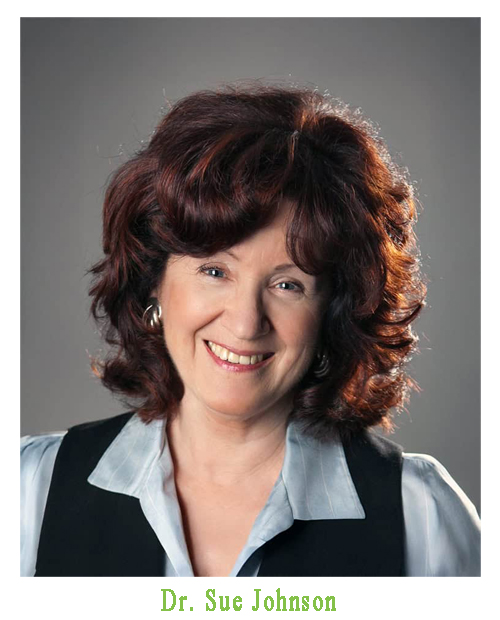
Emotionally Focused Therapy (EFT) is a psychotherapy that works with emotions and human relationships.
It was developed in the 1980s by Dr. Sue Johnson of Canada, based on attachment theory—the idea of “how people can feel secure in their connections with loved ones.” It originally began as a couples therapy (EFCT) and has expanded into approaches used with individuals and families. EFT has been practiced for over 30 years and is a highly reliable psychotherapy whose effectiveness has been validated through empirical research.
Basic Principles of EFT
- People are born with an innate, strong desire “to connect deeply with others.
- When that connection becomes unstable, we experience anxiety, anger, or withdrawal.
- EFT carefully examines these emotional dynamics while identifying patterns within relationships.
Characteristics and Goals of EFT
- The goal is to build relationships where people can feel safe and open their hearts.
- With the therapist’s support, clients practice and experience interactions that create emotional connection and deepen bonds with loved ones.
- By focusing on one’s own emotions and those of important others, this approach enables transformation in relationships, self-concept (how we see ourselves), and views of others (how we see other people). This means it has the potential to enhance trust in oneself and others.
In this way, EFT is a warm and practical psychotherapy centered on “creating emotionally connected relationships.”